
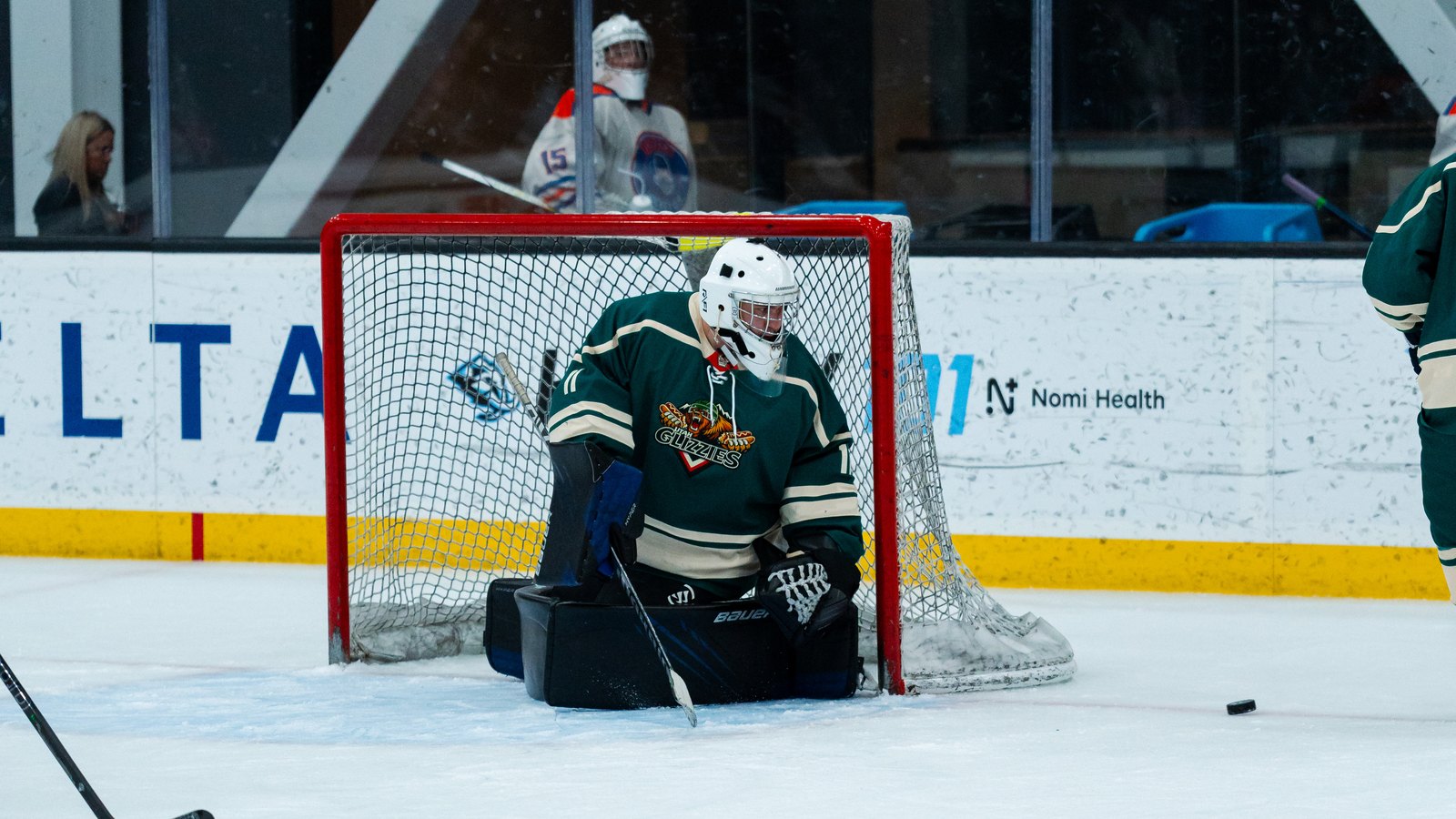
Nobody remembers the first time they learned to skate forward. Everybody remembers the first time they tried to stop and ended up sliding into the boards, a teammate, or the ice itself. Stopping is the single most confidence-building skill in hockey — once you have it, skating stops feeling like survival and starts feeling like control. Here's how to actually learn it.
Every beginner should learn this one first. Bend your knees, point your toes slightly inward to form a V with your blades, and press both inside edges into the ice at the same time. The wider and harder you push the V, the faster you'll slow down. It's not glamorous, but it's the safest stop to learn because your weight stays centered and low — you're far less likely to fall than with any other stop.
Once the snowplow feels natural, isolate one foot at a time. Glide on your right skate and practice turning that blade's inside or outside edge into the ice to slow yourself, then switch to the left. This teaches you what a single edge actually feels like under pressure, which is the exact sensation you need for the next step.
This is the real "hockey stop" — both skates turning perpendicular to your direction of travel at once, spraying ice as you slow. Start at a slow glide, not full speed. Turn your hips and knees together, stay low, and keep your weight centered over both feet rather than leaning back (the single most common beginner mistake, and the one that causes the most falls). Dig both edges into the ice evenly so neither skate slides out from under you.
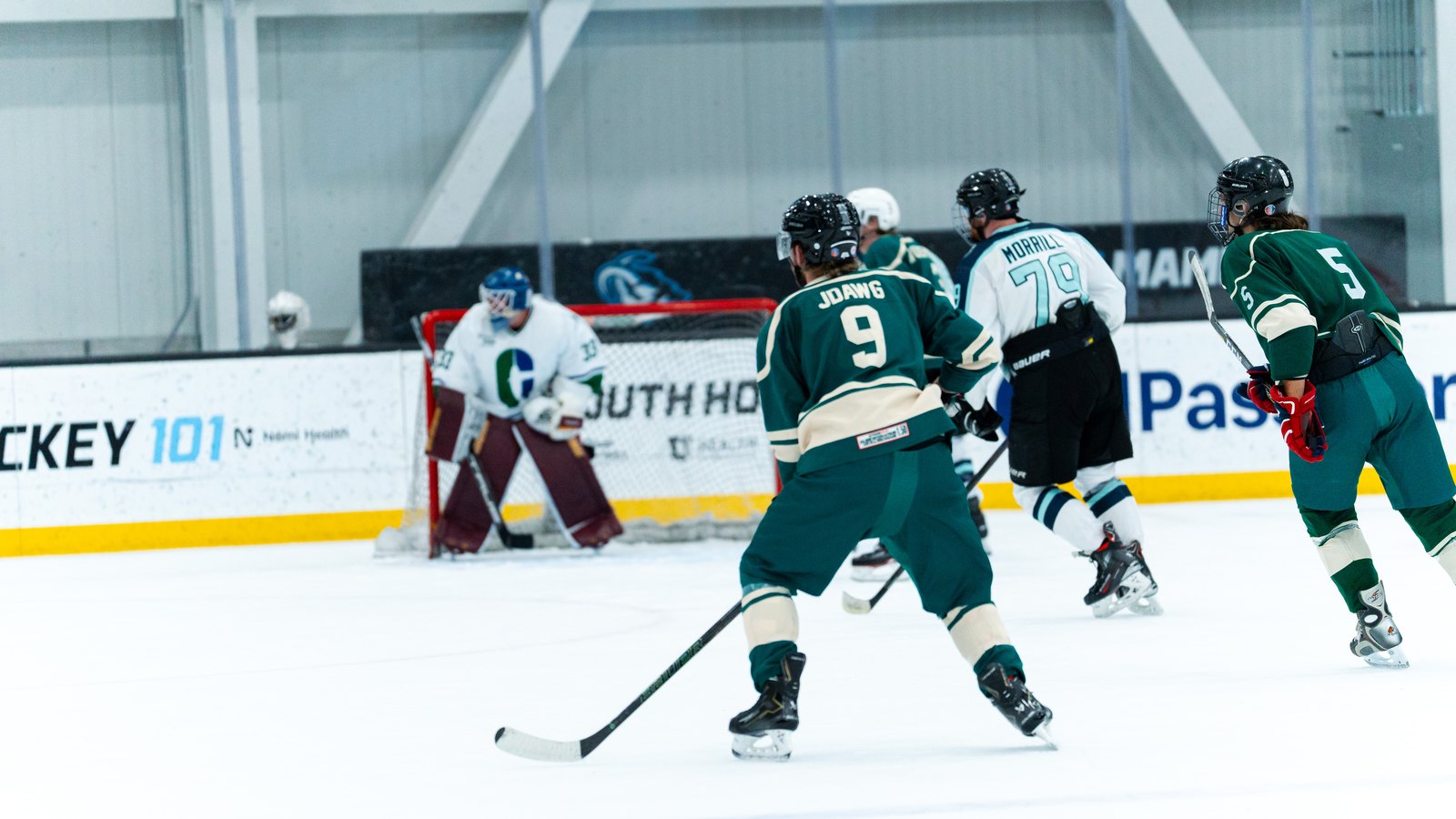
The most common mistake adult beginners make is trying to hockey stop at game speed before it's reliable at a walking pace. Nail it slow first. Once you can stop cleanly and consistently at low speed on both sides, add a little more speed each session. Skipping this progression is exactly how people end up on their backs in front of a rink full of people.
Almost every player has a dominant stopping side and a side they avoid. The fix is boring but effective: spend extra reps deliberately stopping toward your weak side until it catches up to your strong side. Coaches see this gap constantly in adult learn-to-play classes, and it's one of the fastest wins available to a new player willing to put in the unglamorous rep work.
Once stopping feels solid, the next skill worth building is your shot — or, if you're still shopping for equipment, our beer league equipment checklist for beginners covers exactly what to buy first. And if Utah is home, our guide to hockey lessons for adults in Salt Lake City lists every rink running a real learn-to-play program where an instructor can watch your edges in person.
Every Glizzy on this roster was a beginner once, snowplowing their way around the rink at the Utah Mammoth Ice Center. Come get better with people who won't laugh — much.
Meet the Team Go to The PitStopping is a rep-based skill, not a talent. Learn the snowplow, isolate each foot, build the two-foot parallel stop at slow speed, and drill your weak side until it stops being weak. Do that consistently and you'll go from "sliding into the boards" to "stopping on a dime" faster than you think.